OhioHealth strengthens their nursing pipeline
With the ongoing national nursing shortage, OhioHealth is taking proactive steps to build a sustainable pipeline of nurses, ensuring high-quality care for patients now and in the future. Through innovative workforce development programs, the organization is strengthening recruitment and retention efforts, investing in local talent and creating opportunities for aspiring healthcare professionals.
Building a strong nursing pipeline
OhioHealth’s nursing pipeline is a multi-faceted initiative designed to bring students and new graduates into the system while fostering a supportive environment for professional growth. Harriet Chinakwe, MBA, BSN, RN, director of inpatient nursing at OhioHealth Doctors Hospital, emphasized the urgency of this effort.
“You look at where we are with nursing shortages, it's nationwide, and obviously with a lot of the work that our teams have done, it's not enough,” Chinakwe said. “We cannot rely on contractors all the time. So, we have to create a pipeline to really give a platform to how we are bringing people into organizations, especially nurses.”
Christine Coriell, MHA, BSN, RN, NE-BC, director of system nursing operations, highlighted the importance of both recruitment and retention strategies.
“[We are] adding more care sites to the OhioHealth community, and then also some of our care sites are expanding and will continue to expand in the future,” Coriell said. “We really need to look at this both from an internal and an external lens with developing that pipeline — locally, nationally and globally.”
Innovative programs for nursing students
OhioHealth has developed several initiatives to attract and support future nurses, including partnerships with high schools, colleges and universities. Mindy Sanford, MA, AT, senior advisor for workforce development, leads a team focused on academic partnerships and pipeline opportunities for critical roles, particularly nursing.
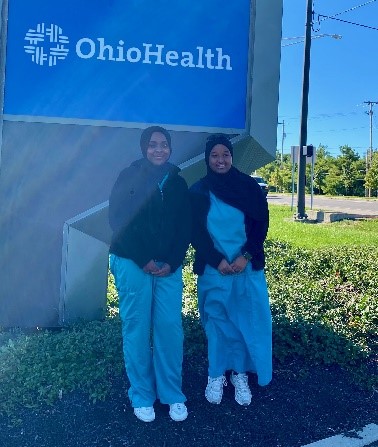 One of the standout programs is OhioHealth’s Work-Based Learning Initiative, which is a partnership with career technical schools to provide high school students with paid internships. These students spend half of their day in school and the other half gaining hands-on experience in a patient support assistant (PSA) role.
“Last year we had 29 students, and this year we have 49,” Sanford said. “Most are students who have the goal of going to nursing school primarily, but also there are some who want to go on to other critical roles like respiratory therapy, rad tech, et cetera. The goal is to keep them on in at least a part time casual position to stay connected, but preferably in a part time position so they can access tuition benefits.”
Despite initial skepticism about hiring minors for patient care roles, the results have been overwhelmingly positive.
“There was a lot of pushback on bringing minors in for these roles, but I think that after [leaders] had some of the students, they were amazed at how well-prepared they are,” Sanford said. “Last year in Grove City, one of the PSA interns, through work-based learning, was identified as the associate of the month Grove City Hospital. That kind of thing is amazing.”
In addition, a new program for students will be launched in the summer of 2025, an intern/extern program for college nursing students, offering hands-on experience before their junior and senior years. The overwhelming response from applicants shows just how strong interest is in the program and its potential to serve as a direct pipeline for new nurses.
“We were anticipating about 20 students. We have 85 applicants right now. We never thought we would have this many applicants,” Sanford said. “We have ones from Texas Christian and in Indiana and Kentucky! This is going to end up being a great program to be a feeder pipeline for nursing.”
Creating pathways for new graduates
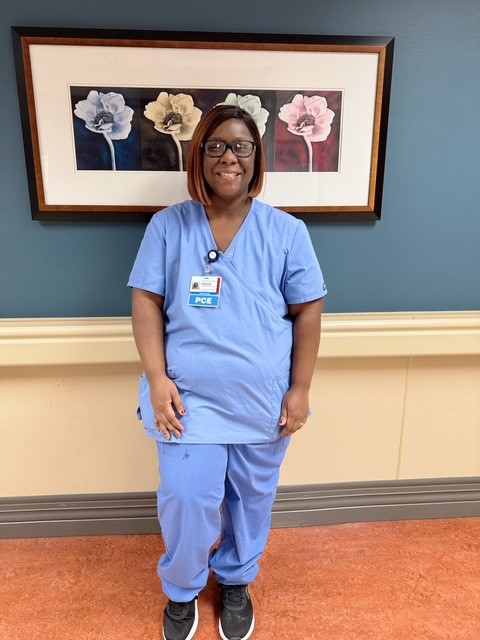 OhioHealth’s Patient Care Experience (PCE) role, launched in 2022, provides a seamless transition from student to nurse. The program allows nursing students in their junior year to work as PCEs, ensuring they have a guaranteed job post-graduation.
"When the role was created it just kind of had that transition of, once you are hired as a PCE, automatically you are guaranteed a job,” Chinakwe said. “That made it very popular for these nursing students because nobody wants to go through interviews twice. It is a win-win for both of us.”
Retaining nurses through flexibility
Retention is just as critical as recruitment, and OhioHealth has taken steps to keep experienced nurses within the system. The Travel Flex Team, launched in response to high turnover rates, offers internal travel opportunities to nurses who might otherwise leave for external contracts.
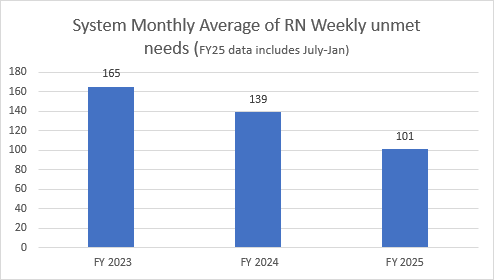 “At the time of development, we had the highest unmet nursing needs in the system. We also had our highest amount of turnover,” Coriell said. “Associates wanted to stay at OhioHealth. They wanted to stay here with their peers, with their leaders, but because of various external factors, they were willing to leave. So, Travel Flex was a direct response to keep them here but provide a higher amount of income in exchange for complete flexibility within their schedules.”
Travel Flex nurses work in 13-week assignments across OhioHealth’s care sites, filling staffing gaps and reducing reliance on external agencies. The initiative has been highly successful, with 80% of participating nurses coming from external travel roles, exceeding the original goal of 70%.
OhioHealth has also implemented a Traveler Conversion Program, encouraging external travel nurses to take permanent positions within the system.
“The aim was to get 20% conversion for our external travelers to convert to OhioHealth Associates, and I think even a little bit higher than 20% is what ended up converting,” Coriell said.
She also noted many of these nurses saw the benefits of staying with OhioHealth, and their colleagues actively encouraged them to join as permanent team members.
A collaborative effort
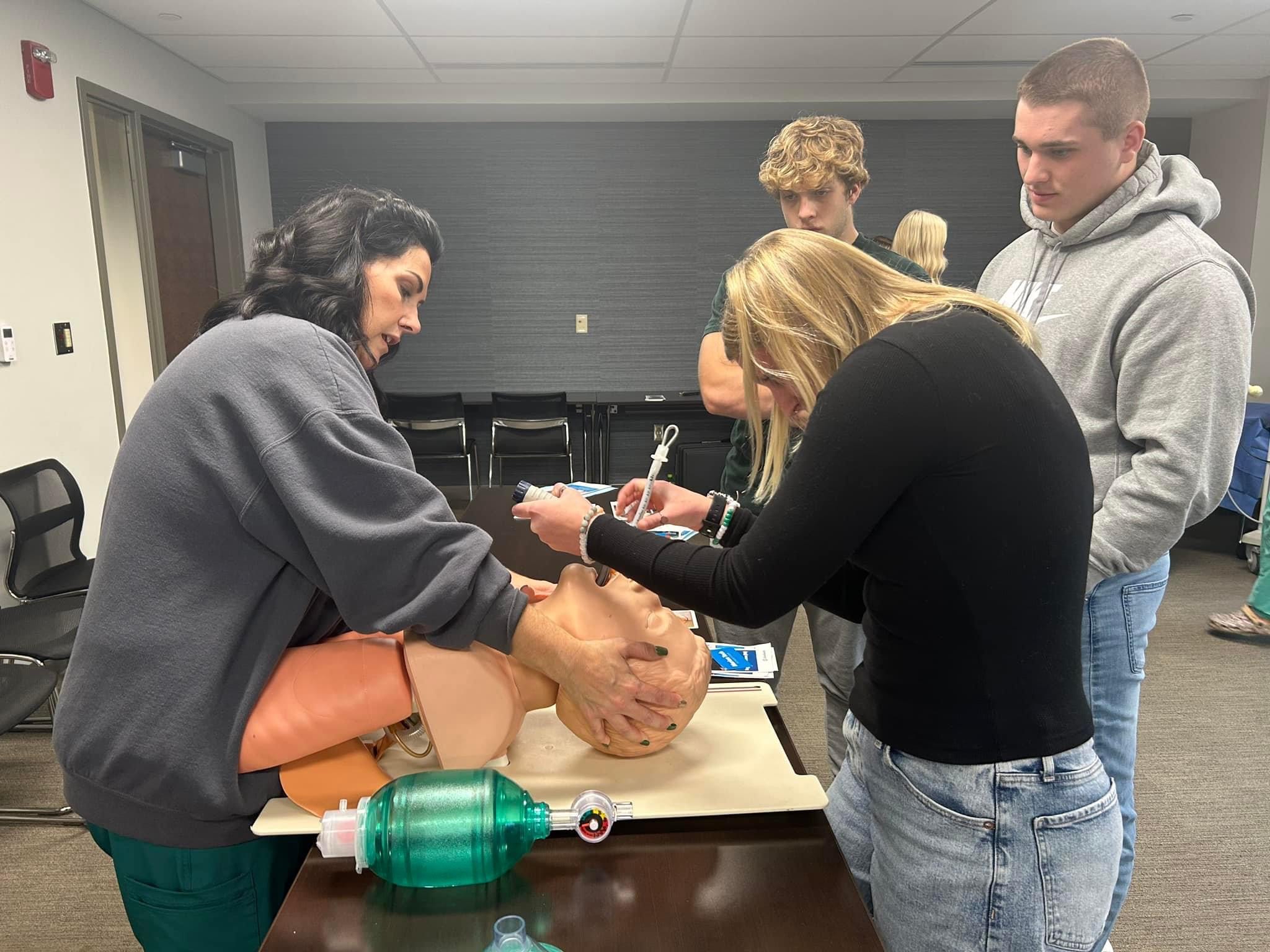 OhioHealth’s nursing pipeline efforts extend beyond its own system. The organization is an active member of the Healthcare Career Collaborative of Central Ohio, a partnership with Mount Carmel, Nationwide Children’s and Ohio State University. This initiative focuses on introducing high school students to healthcare careers through hands-on experiences and educational summits.
Looking ahead, OhioHealth leaders remain committed to refining and expanding these programs, ensuring that the next generation of nurses is prepared to meet the evolving needs of the community. It’s more than just filling positions, though.
“It's our obligation to make sure that we are teaching students all the things that they need to know about OhioHealth; welcoming them to make sure they feel comfortable to continue to provide exceptional care for our patients and families,” Chinakwe said.