OhioHealth implements virtual nurse care model to enhance patient care and support nursing staff
As OhioHealth prepared to open its new Pickerington Methodist Hospital, leaders recognized an opportunity to integrate cutting-edge technology to improve patient care and nursing support. The result: a virtual nurse care model designed to enhance patient experience, alleviate staffing challenges and provide mentorship for newer nurses.
Duane Perry, MBA, BSN, CENP, Chief Nursing Officer and Vice President of Patient Care, OhioHealth Pickerington Methodist Hospital, said the virtual nurse program was developed in collaboration with nurses with varied degrees of experience.
“We gathered some key stakeholders from across the organization; different nurses who worked in various capacities and met with them,” Perry said. “We worked with them on what would a virtual nurse look like at OhioHealth, to get their feedback as frontline nurses and key users of a virtual nurse. From there, we established what we thought a virtual nurse was and what it was not.”
The model pairs a primary bedside nurse with a virtual nurse, an experienced nurse who helps with tasks like admission assessments, discharge planning and care coordination. Virtual nurses also act as a real-time resource for bedside nurses, particularly those in their first years of practice.
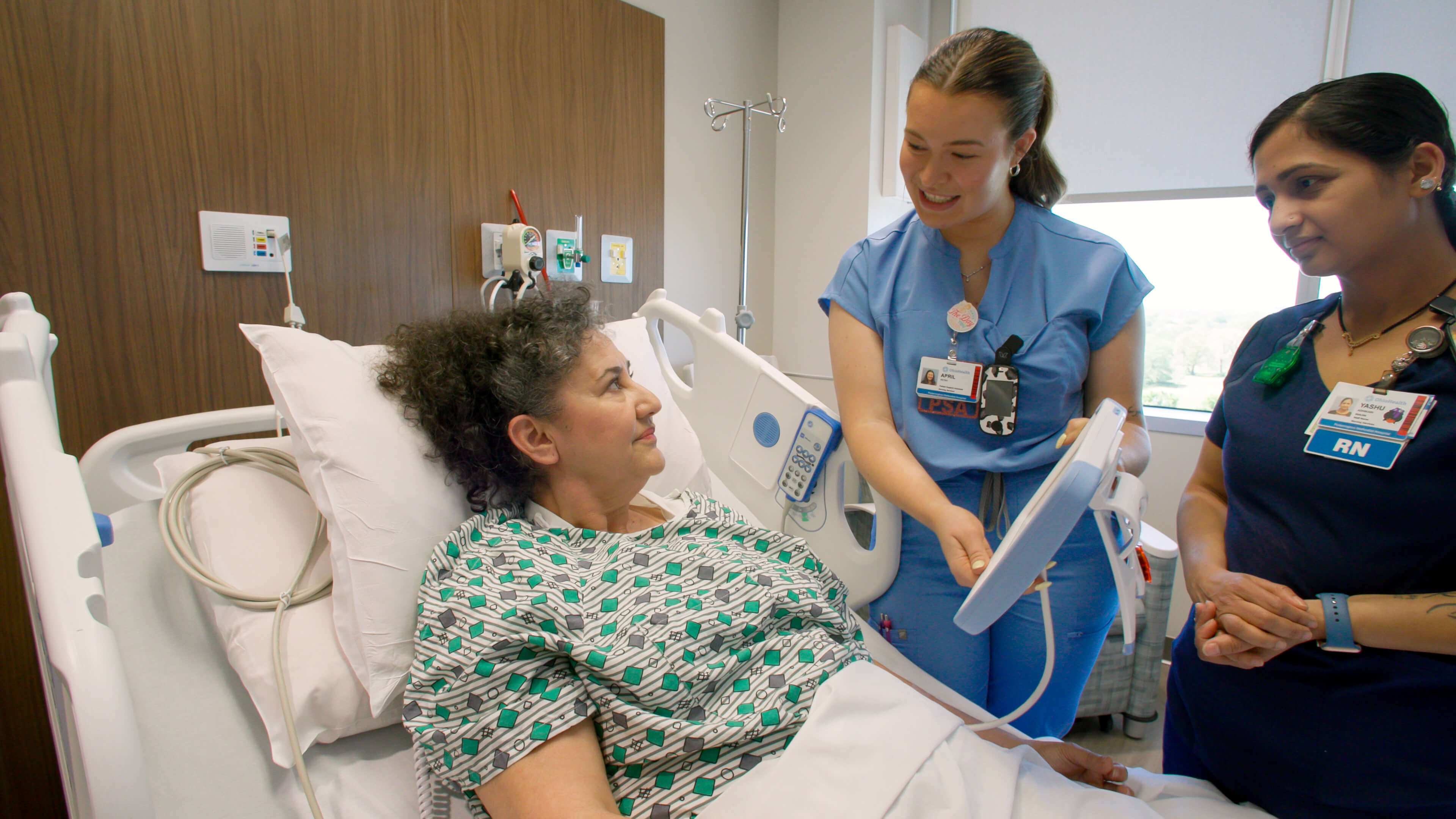 “Nationwide, over 60% of nursing associates have five years of experience or less,” said Christine Coriell, MHA, BSN, RN, NE-BC, director of system nursing operations at OhioHealth. “Due to that, what we saw was a lot of transactional tasks happening within nursing rather than being able to see that care coordination piece, which really is the focus of what a virtual nurse does.”
The initiative was first piloted in 2022, with a formal implementation beginning in early 2023. Pickerington Hospital was a natural fit due to its advanced smart room technology, which integrates patient records with interactive displays and a two-way video communication system.
“This technology was already going to be installed. We had the smart room, which has a large TV that integrates with the patient's medical record,” Coriell said. “We like that it's passive, so it pulls things across. The nurse doesn't have to actively put anything on the whiteboard.”
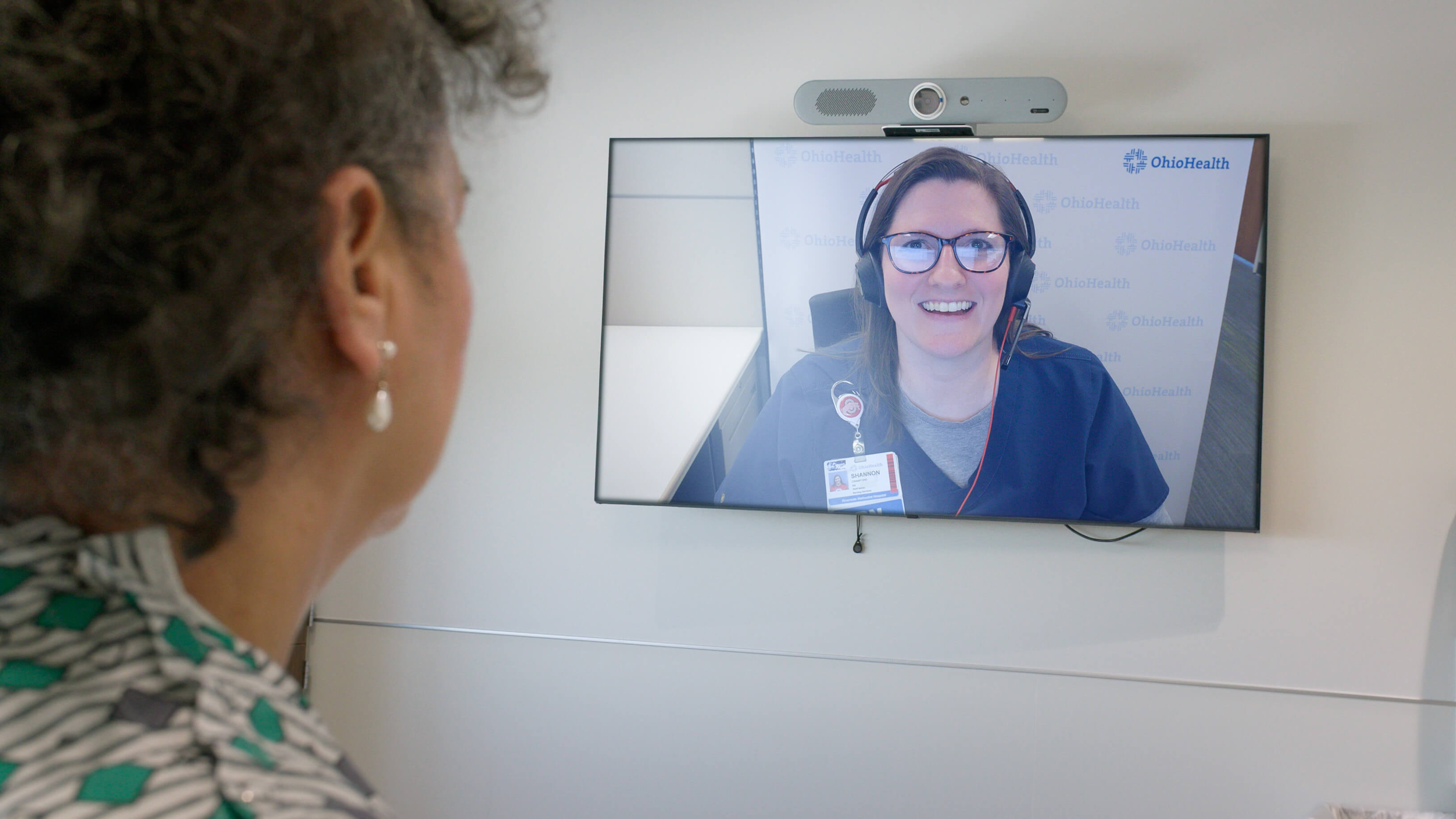 Because that passive work is supported with this technology, virtual nurses have uninterrupted time with patients, allowing them to clarify physician instructions, provide education, and support bedside staff in a way that improves efficiency and patient satisfaction.
Early results indicate that virtual nurses spend more time directly with patients than assisting bedside nurses, though both functions remain integral. The model is also helping OhioHealth retain experienced nurses who may no longer want to work in physically demanding bedside roles.
“This is another way for us to create programs to help us retain top talent,” Perry said. “It also supports that top talent in a different way to act as an important resource for patients and our younger nurses who are entering the field.”
Looking ahead, OhioHealth plans to expand the virtual nurse care model to additional hospitals, incorporating lessons learned from Pickerington. The next implementation is set for OhioHealth Doctors Hospital, with a planned launch in late summer or early fall of 2025. Future initiatives will explore expanded camera capabilities for remote assessments, code documentation support and system-wide enhancements to nursing workflows.
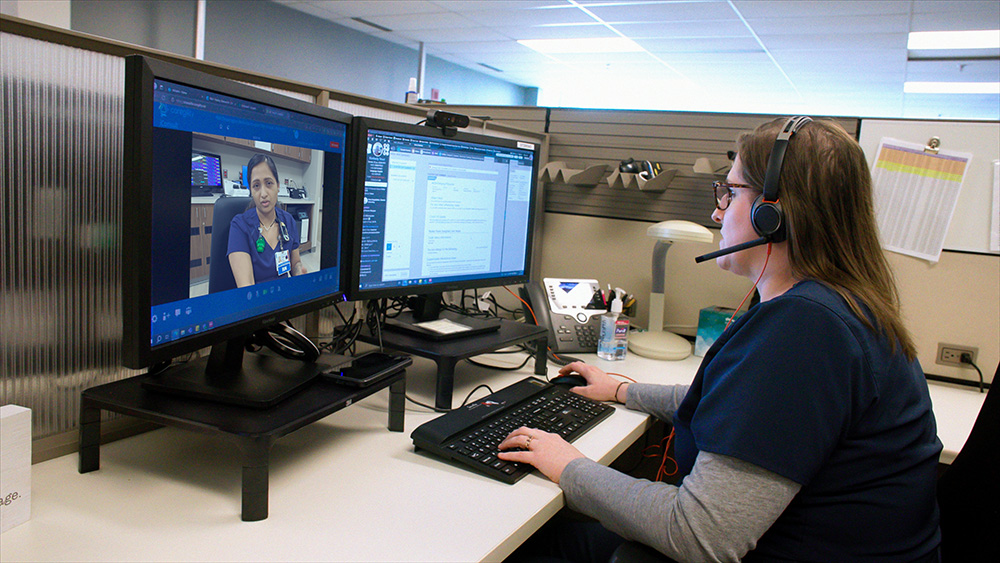 “This is ongoing work. We are continuously evaluating and seeing how we can make improvements to this program,” Coriell said.
With OhioHealth’s commitment to innovation, the virtual nurse model represents a forward-thinking approach to modern healthcare — one that blends experience, technology and collaboration to redefine patient care.