Nursing innovation reduces waste and saves time at OhioHealth
A simple idea submitted through OhioHealth’s nursing idea submission platform is creating a significant impact on efficiency, safety and nurse satisfaction across the healthcare system. The initiative, focused on reducing medication waste by stocking smaller, prepackaged dosages of Dilaudid and fentanyl, has already proven to be a game-changer for staff and patients alike.
 The suggestion originated anonymously from a Riverside Methodist Hospital nurse, who noted inefficiencies with dosage practices in September of 2023. At the time, Dilaudid, a common opioid pain medication, was stocked in 0.5-milligram vials, though nurses frequently administered only 0.25 milligrams. This required nurses to waste half the dose, a process that involved finding a witness, documenting the waste and spending valuable time away from other patient care responsibilities.
“We looked at the suggestion and said, ‘Is there an opportunity here?” said Katie Toopes, MSN, RN, system director of Nursing Practice, who championed the project. “We partnered with the pharmacy team to do an assessment and found that prepackaged 0.25-milligram doses of Dilaudid and 50-microgram doses of fentanyl were readily available on the market.”
By early October, OhioHealth had implemented the change, stocking automated dispensing cabinets with the smaller-dose medications at select care sites.
Despite minor delays caused by recent IV shortages, the program has been rolled out at Riverside, Mansfield, and O’Bleness hospitals for fentanyl, as well as at Marion, Pickerington, Grady and Hardin hospitals for Dilaudid.
“Marion and Pickerington, Grady and Hardin were the outstanding sites for Dilaudid,” Toopes said. “The intent is to have it in all of our sites.”
In its first 90 days, data has shown that this change has saved 3650.25 mg of Dilaudid and 26,364.5 mcg of Fentanyl which amounts to over 635 nursing hours saved.
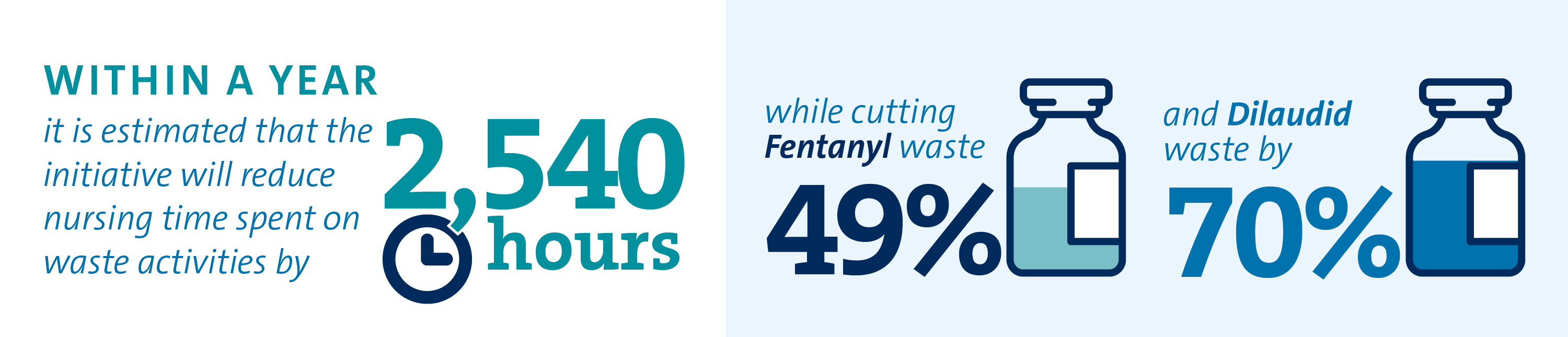
This gives nurses more time to focus on direct patient care, improving both satisfaction and outcomes.
The initiative has also improved safety by reducing the risk of medication errors and opportunities for drug diversion. “If you're getting out a medication that you don't have to stop to do the waste on, you can just take the medication and go administer it,” Toopes added.
The process changes were seamless, requiring no adjustments to medication administration protocols. The pharmacy team now stocks multiple dose concentrations in the Omnicell dispensing cabinets, allowing nurses to retrieve the exact dosage ordered by a physician without needing to waste excess medication.
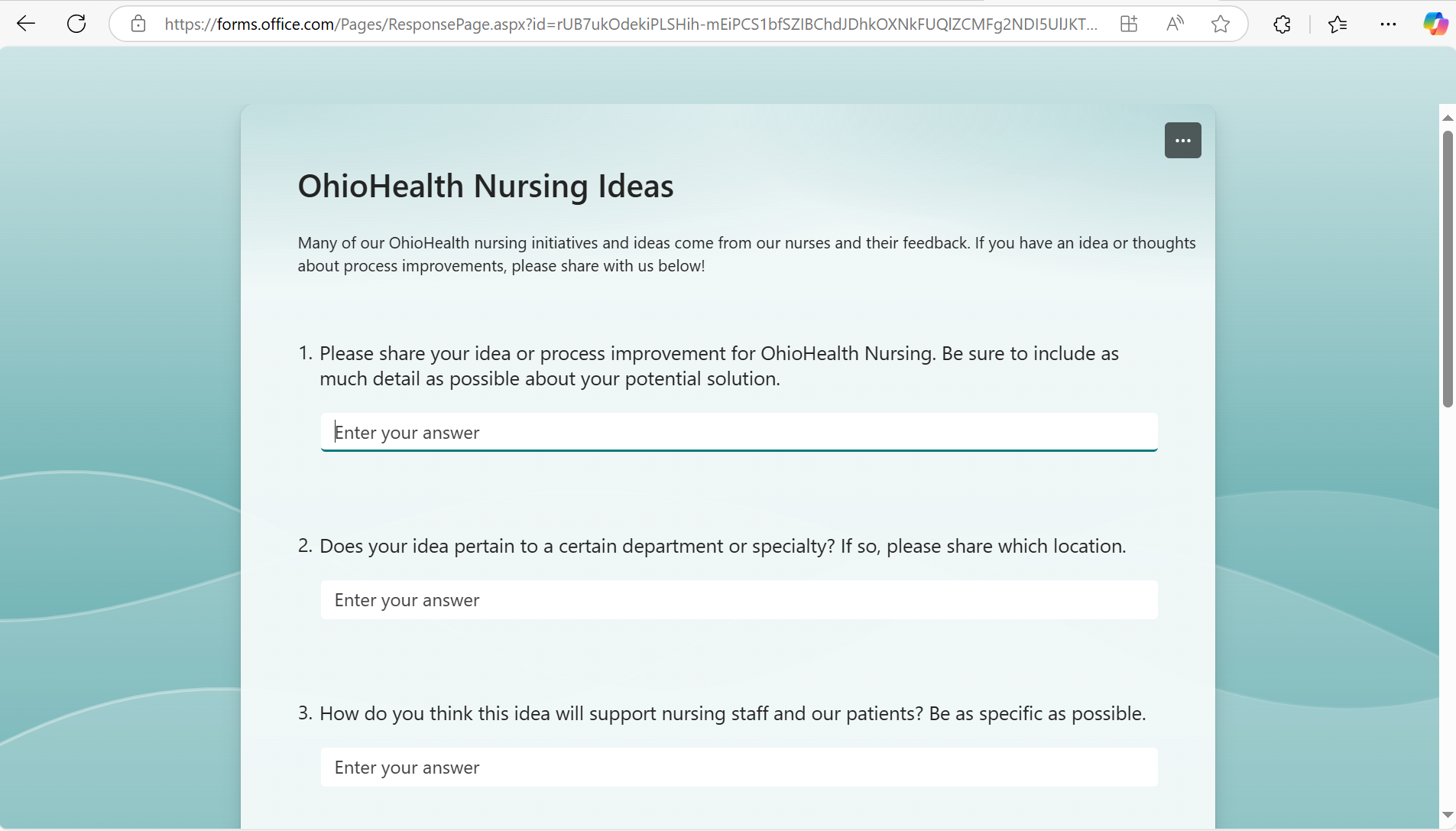
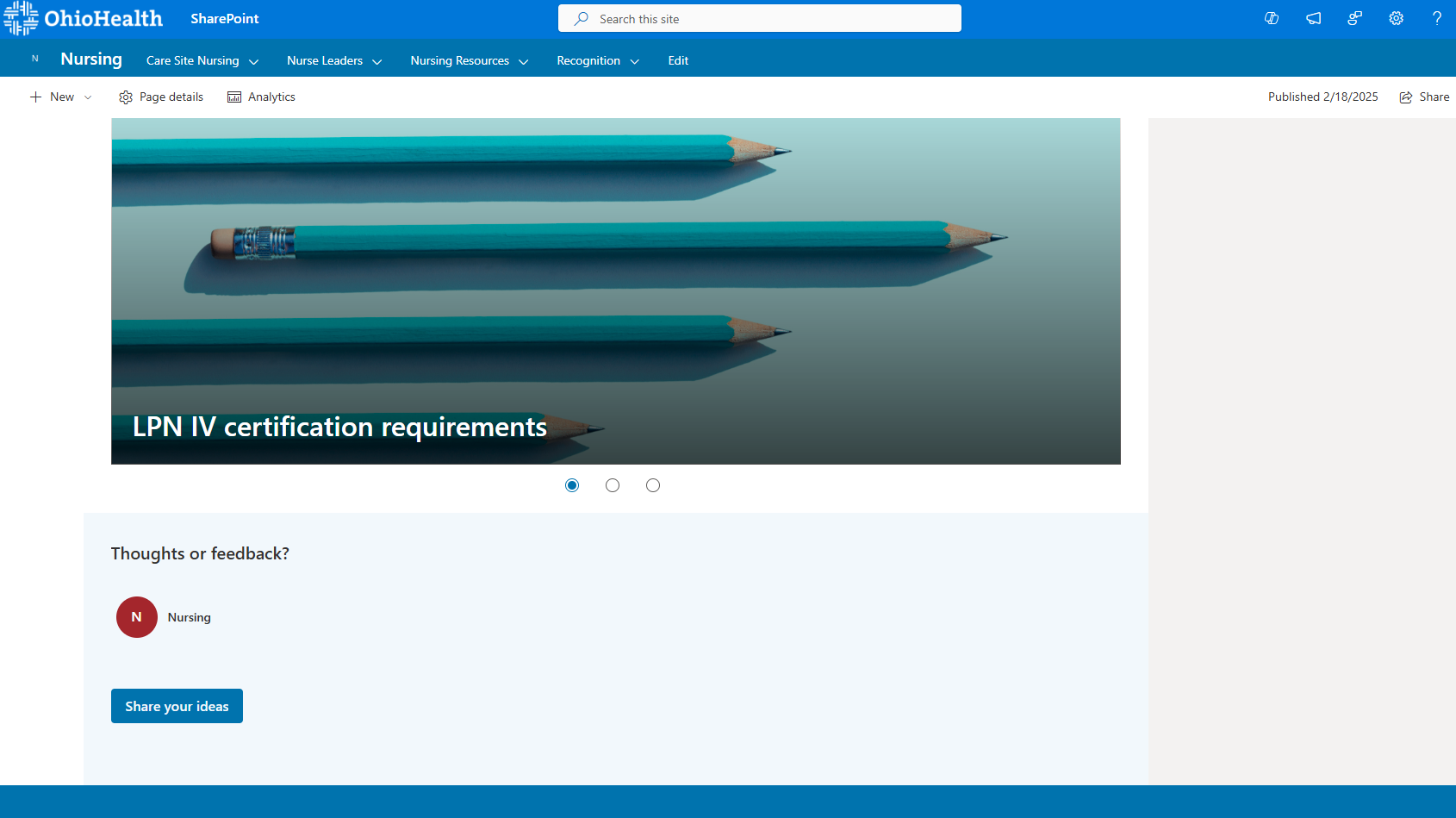 Toopes emphasized the importance of the nursing idea submission platform to encourage nurses to lead at every level. She said without that kind of platform, these types of improvements might not come to light as easily. “This was a straightforward change, but it had a big impact.”
While there are currently no plans to expand the initiative to other medications, Toopes remains optimistic about that potential. “If other opportunities arise, that definitely is something we could and should explore with our pharmacy team.”
OhioHealth continues to evaluate the program’s success and gather feedback from pharmacy teams and nursing staff.
Even as it continues to evolve, the initiative stands as a testament to the power of collaboration and innovation in OhioHealth nursing.